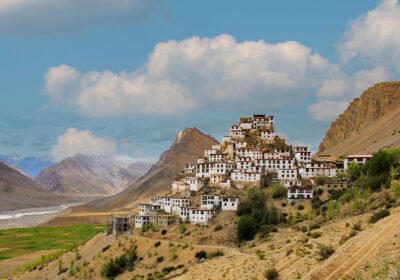
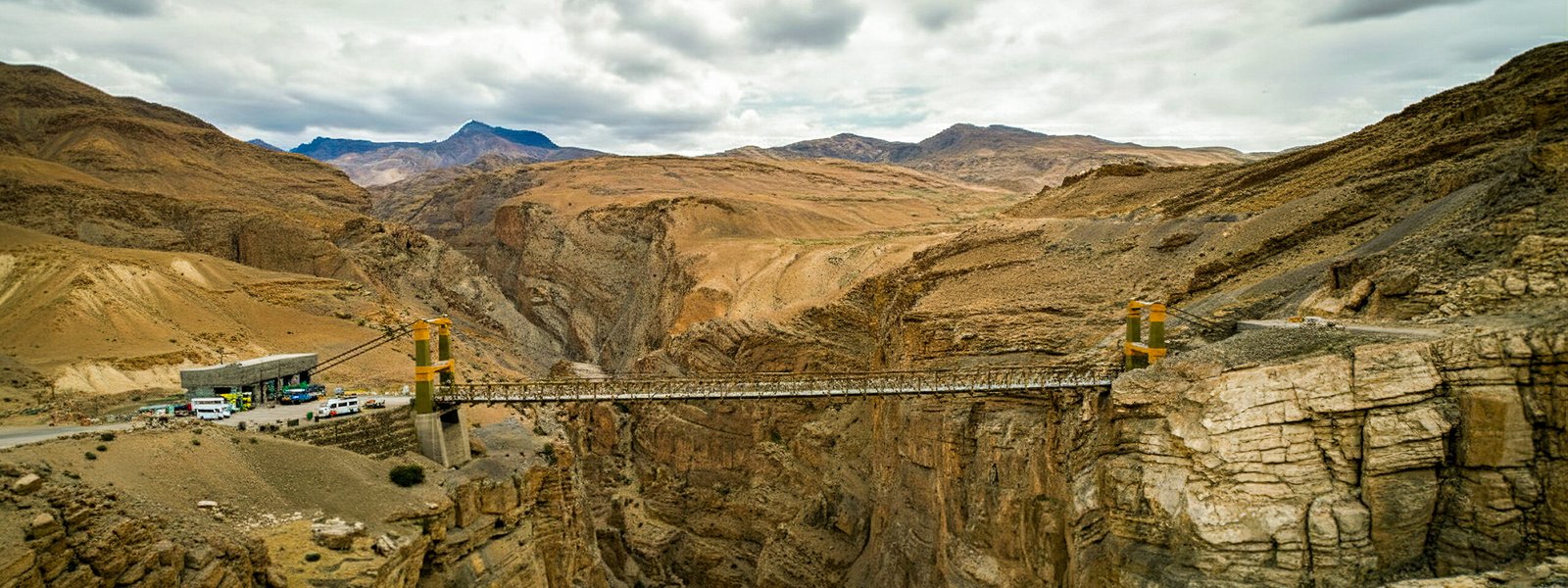
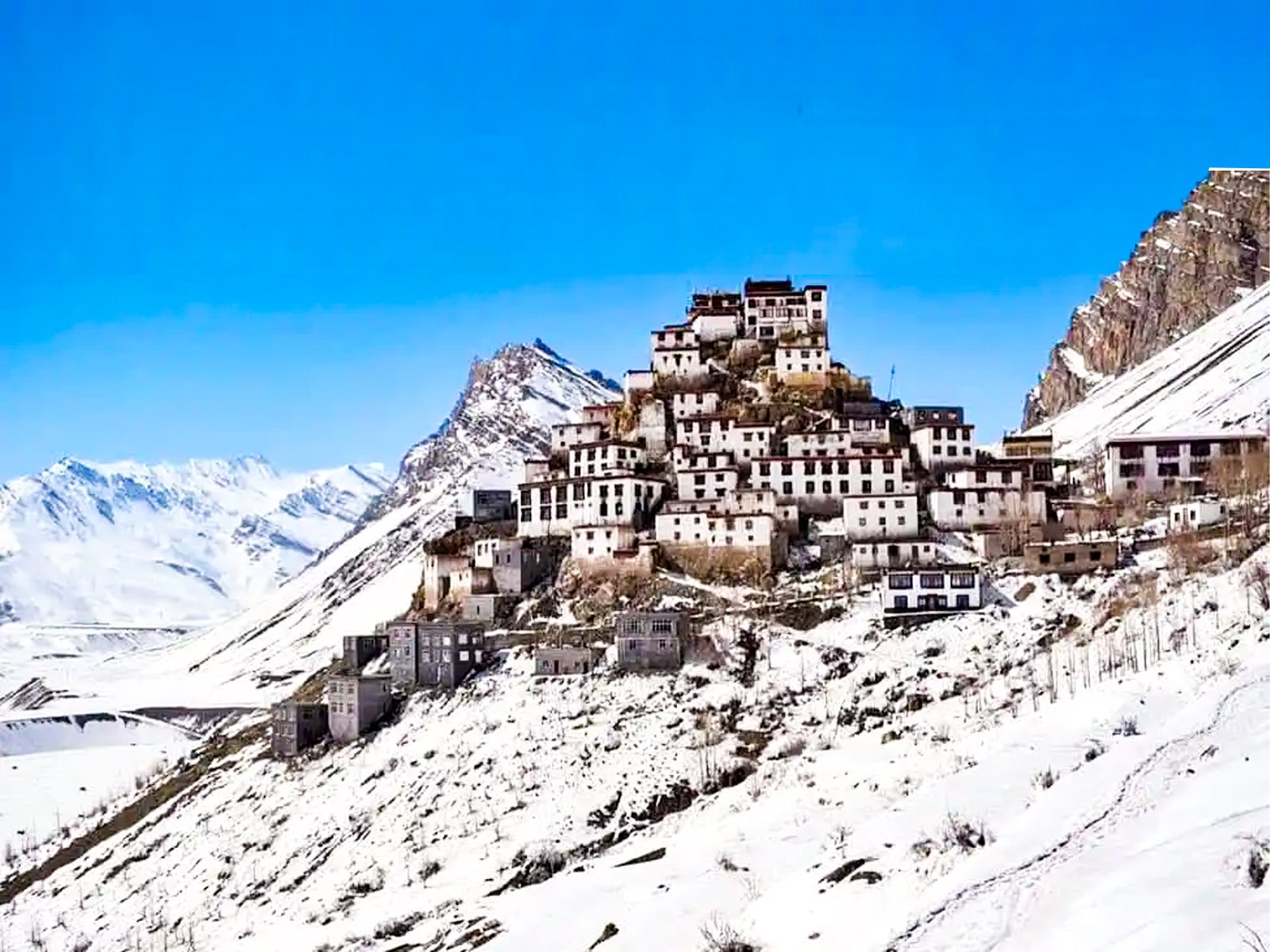
Spiti Valley, also known as the Middle Land, is one of the most raw and dramatic destinations in the Indian Himalayas. Tucked away between India and Tibet, this cold desert valley feels like a world frozen in time. From barren high-altitude landscapes and centuries-old monasteries to thrilling mountain roads and starlit campsites, Spiti offers a unique experience in every season.
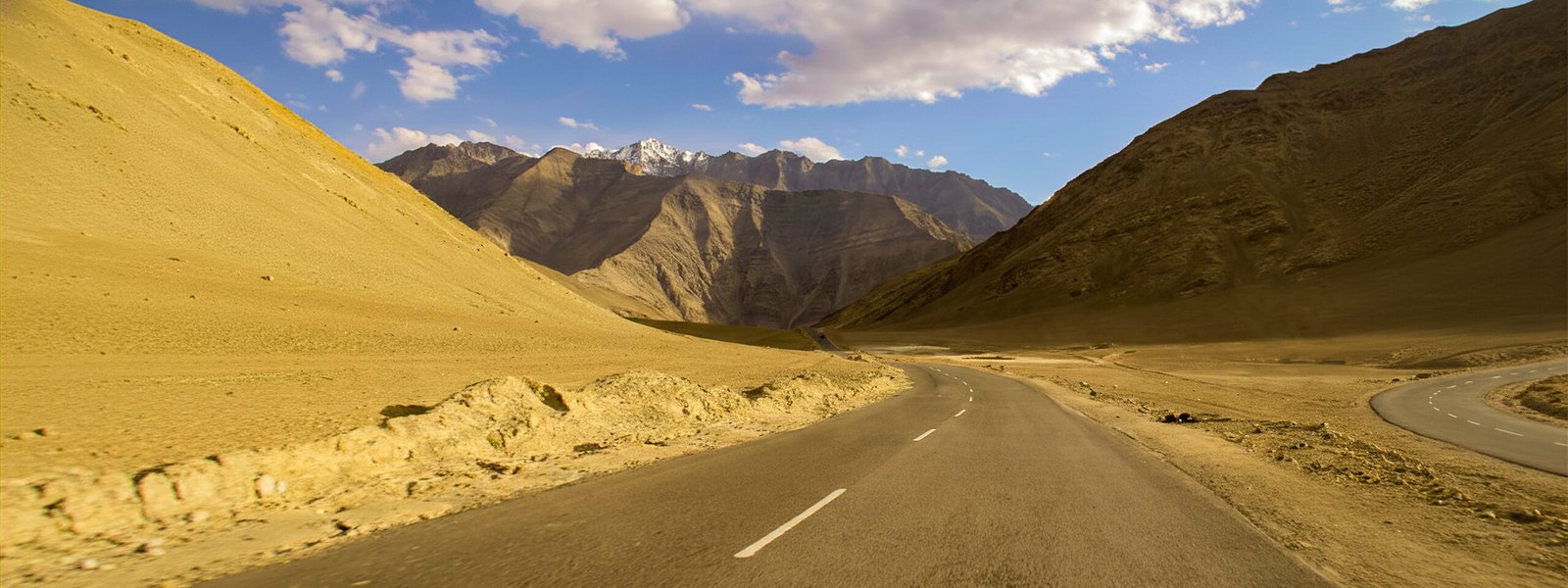
What truly sets Spiti Valley apart is its untouched beauty and profound silence. Towering mountains in shades of brown, grey, and gold dominate the horizon, while turquoise rivers carve their way through the rugged terrain. Life here moves at its own pace—simple, resilient, and deeply spiritual.
If you’re planning a Spiti Valley road trip, Spiti Valley bike trip, or looking to book curated Spiti Valley tour packages, choosing the right time to visit is crucial for safety, accessibility, and overall experience.
Despite its harsh terrain and extreme weather, Spiti Valley rewards travelers with raw authenticity, solitude, and a deep connection with nature. Choosing the best time to visit Spiti Valley is crucial, as each season unveils a different side of this high-altitude wonder—whether it’s summer road trips, monsoon landscapes, or the stark beauty of winter Spiti.
Best Time to Visit Spiti Valley: June to September (Peak Season)
The ideal time to explore Spiti Valley is from June to September, when roads are open, weather conditions are stable, and most villages are accessible.
Why This Is the Best Time
- All major routes via Manali and Shimla are open
- Pleasant daytime temperatures (10°C to 20°C)
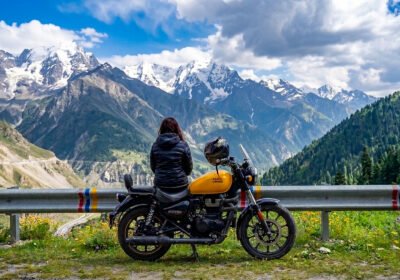
- Ideal for Spiti Valley bike trips and road trips
- Perfect conditions for camping in Spiti Valley
- Festivals and local life are at their most vibrant
This is also the peak season for Spiti Valley tourism, making it the best time for first-time travelers.
Spiti Valley in Summer (June)
Best for: Road trips, biking, sightseeing, camping
Temperature: 5°C to 20°C
Summer marks the beginning of the travel season in Spiti Valley. Snow starts melting, mountain passes open, and the valley slowly comes back to life.
Highlights
- Access via Manali–Kaza route opens (subject to snow clearance)
- Ideal time for a Spiti Valley bike trip
- Clear skies and comfortable weather
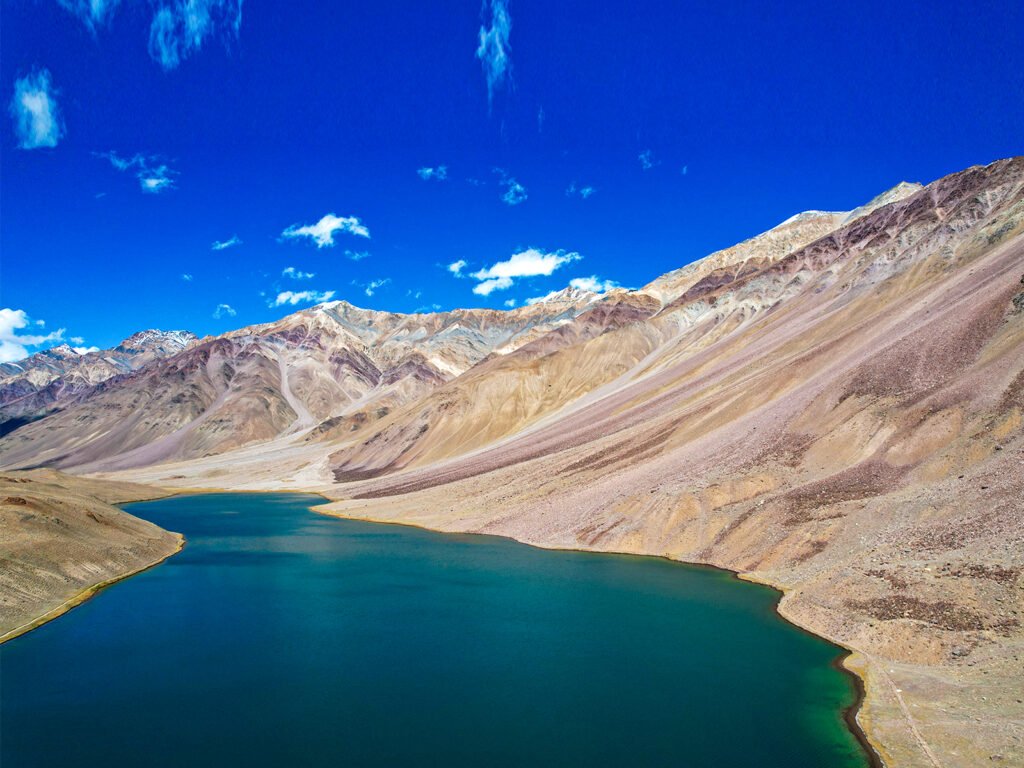
- Best time for camping in Spiti Valley near Chandratal
- Lush river valleys contrast beautifully with barren mountains
This season is perfect for adventure seekers and travelers booking Spiti Valley tour packages focused on road travel.
Spiti Valley in Monsoon (July to August)
Best for: Experienced travelers, photographers
Temperature: 10°C to 18°C
Contrary to most Himalayan regions, Spiti Valley receives very little rainfall due to its cold desert geography. However, access routes—especially from Manali—can be affected by landslides.
Pros
- Fewer tourists and quieter villages
- Dramatic landscapes and cloud formations
- Excellent photography opportunities
- Lush Spiti River valley views
Cons
- Road closures possible on Manali route
- Requires buffer days in itinerary
If you’re opting for a Spiti Valley road trip during monsoon, traveling via Shimla–Kinnaur route is safer and more reliable.
Spiti Valley in Autumn (September to October)
Best for: Clear views, peaceful travel, photography
Temperature: 5°C to 15°C
Autumn is one of the most underrated yet best times to visit Spiti Valley. The skies are crystal clear, the crowds thin out, and the valley prepares for winter.
Highlights
- Golden mountain hues and sharp visibility
- Ideal for photographers and slow travelers
- Stable road conditions until mid-October
- Less crowded campsites and homestays
Many premium Spiti Valley tour packages operate during this season for travelers seeking a quieter, more immersive experience.
Spiti Valley in Winter (November to April)
Best for: Extreme adventure seekers only
Temperature: -5°C to -25°C
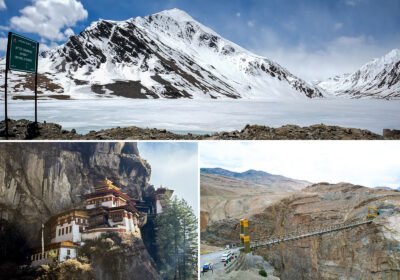
Winter transforms Spiti into a frozen wonderland. Most roads close, villages remain snowbound, and temperatures drop drastically.
Things to Know
- Access only via Shimla route (weather dependent)
- Not suitable for standard road trips or bike trips
- Limited accommodation and facilities
- Requires local support and experience
Best Time for Spiti Valley Bike Trip
- June to September is ideal for biking
- Best routes: Manali–Kaza circuit
- Stable weather, open passes, and long daylight hours
- Most popular season for guided Spiti Valley bike trips
Best Time for Camping in Spiti Valley
- June to September
- Popular camping locations: Chandratal
- Clear skies, manageable temperatures, and safe terrain
Camping during peak season is often included in curated Spiti Valley tour packages, offering comfort along with adventure.
When Should You Visit Spiti Valley?
| Travel Preference | Best Time |
| Road Trip & Biking | June – September |
| Sightseeing & Culture | May – October |
| Photography | September |
| Camping | June – September |
| Offbeat Experience | Early October |
Why Choose India on Wheelz for Your Spiti Valley Trip?
Planning a journey to Spiti Valley requires more than just excitement—it demands experience, local knowledge, and reliable on-ground support. India on Wheelz brings all three together to ensure your Spiti experience is safe, seamless, and unforgettable.
- Local Support & Experienced Tour Leaders
- Handpicked Routes & Well-Planned Itineraries
- Reliable Vehicles & Well-Maintained Motorcycles
- Suitable for All Travel Styles
- On-Trip Assistance
Conclusion
The best time to visit Spiti Valley largely depends on how you want to experience it—thrilling bike rides, scenic road trips, peaceful village stays, or high-altitude camping.
For most travelers, summer and early autumn offer the perfect balance of accessibility, adventure, and comfort. Choosing the right season also ensures a safer journey and a richer experience of Spiti Valley tourism.
If you’re planning your journey, professionally curated Spiti Valley tour packages can help you explore this remote paradise without worrying about logistics—letting you focus purely on the magic of the mountains.