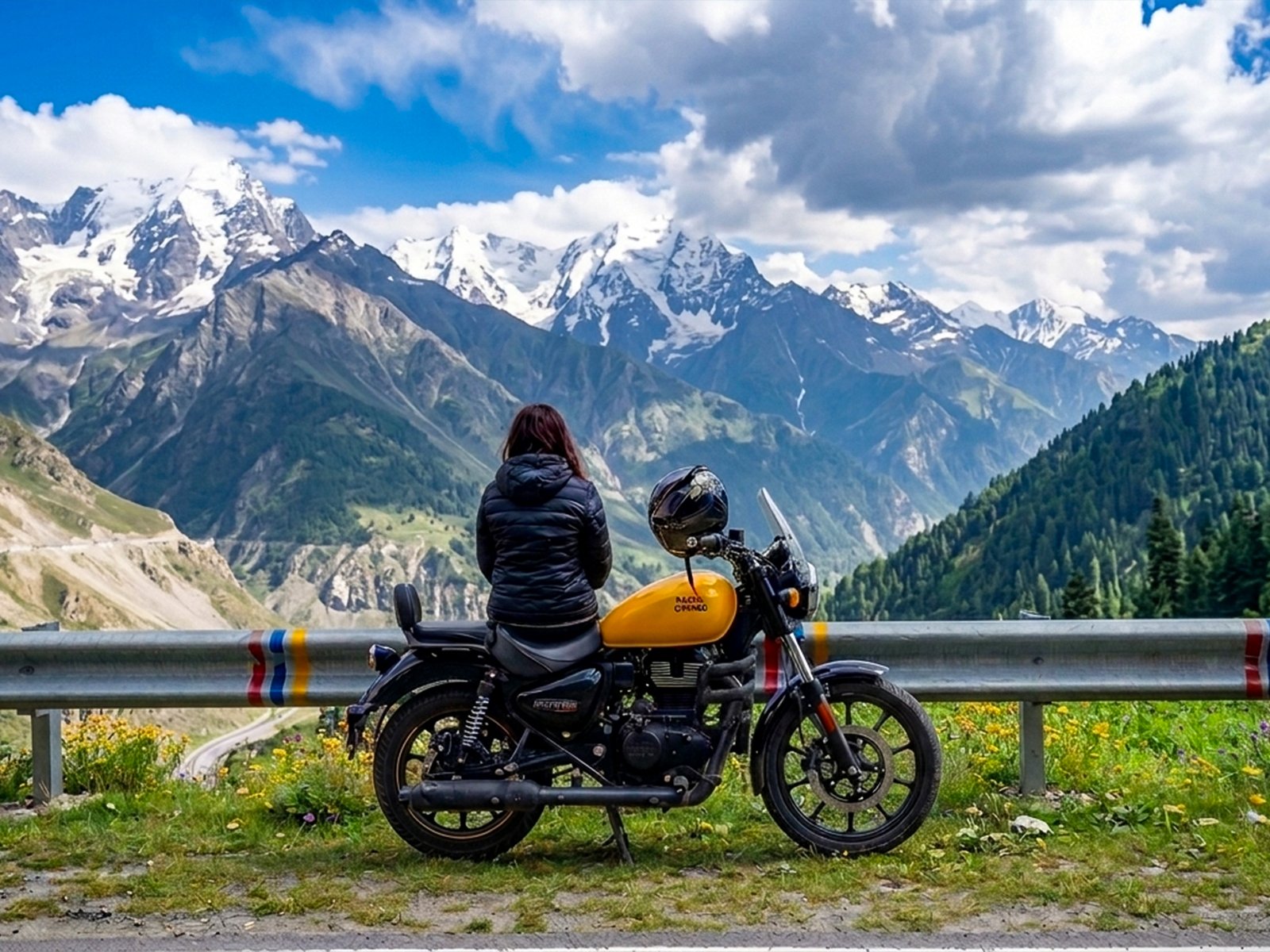
There comes a point when life starts feeling like copy-paste.
Wake up. Work. Meetings. Deadlines. Traffic. Sleep. Repeat.
I had reached that point where every day felt identical. The alarm rang at the same time, the commute was the same, the office conversations were the same, and even weekends felt like a short pause before another cycle began.
I didn’t realize how tired I was until one random Tuesday afternoon, staring at my laptop screen, wondering if this was all life was supposed to be. My mind was exhausted, but more than that, my soul felt stuck.
That evening, instead of replying to emails, I searched for one thing: a travel destination that could interrupt the pattern and make me feel present again. That search led me to India on Wheelz and their Spiti Valley Tour itinerary.
Delhi to Spiti Valley. 10 Days. Mountains. Roads. Silence. Adventure. It sounded like exactly what I needed.
There was an option to travel comfortably in a tempo traveller and enjoy a Spiti Valley Road Trip, but I knew almost immediately that I wanted the Spiti Valley Bike Trip instead. I did not want to watch the mountains through a glass window. I wanted to feel the roads beneath me, the cold air on my face, the uncertainty of every turn, and the satisfaction of reaching places through effort.
I applied for 10 days leave from work before I could overthink it. And honestly, it became one of the best decisions of my life.
Day 1: Arrival in Delhi
Excitement Mixed With Nervous Energy
I reached the boarding point in Delhi carrying more than luggage. I had my backpack, riding jacket, gloves, helmet, and the kind of excitement that makes you restless. I had spent days searching how to reach Spiti Valley from Delhi, comparing routes, reading travel stories, and exploring different Delhi to Spiti Valley tour packages before finally choosing India on Wheelz. Their team was already there, managing arrivals and helping everyone settle in. Around me were travelers from different cities, all strangers for now, but all connected by the same decision to leave routine behind for ten days. Some people had chosen the road trip in the tempo traveller, and they looked relaxed, discussing the views they were going to enjoy from their seats. A few of us stood nearby with helmets in hand, quietly looking at each other with that familiar rider’s expression—half confidence, half anticipation.
When the overnight Volvo arrived, it felt like the first real sign that the journey had begun. We loaded our bags, found our seats, and slowly the city lights started slipping away behind the windows. Delhi was still noisy and fast, but inside the bus there was a different mood building. People were introducing themselves, sharing travel stories, asking questions about the Delhi to Spiti Valley route, and imagining the days ahead. I leaned back in my seat, unable to sleep properly, because my mind kept repeating one thought: tomorrow I would wake up closer to the mountains and officially begin my Delhi to Spiti Valley adventure.
Day 2: Delhi to Manali
The Mountains Finally Appear
The next morning, I opened the curtain beside my seat and everything outside had changed. The plains had disappeared, replaced by winding roads, beas river, pine forests, and mountain slopes rising in the distance. There is something about the first sight of mountains after months of city life that immediately calms you. It feels like your thoughts suddenly have more space.
After reaching Manali and checking into the hotel, I spent some time resting before heading out to explore. Old Manali had its usual charm—small cafés, travellers from everywhere, music floating through narrow lanes, and the cool air that makes every cup of coffee taste better.
The orientation session was detailed and reassuring. The team explained the route, road discipline, safety protocols, altitude concerns, and what to expect in the coming days. Then we stepped outside, where the motorcycles were lined up. I checked mine carefully, adjusted the mirrors, tested the controls, and took a short familiarization ride. The engine vibration through the handlebars made the whole adventure feel real in a way nothing else had yet, Followed by Dinner.
Day 3: Manali to Jibhi
The Mind Finally Goes Quiet
The first riding day began with that unmistakable sound of multiple engines starting one after another in the cold morning air. Helmets were fastened, luggage secured, gloves pulled tight, and soon we were rolling out of Manali. Within the first hour, I understood why riders speak so passionately about journeys like this. The road followed the Beas River, curving through valleys and forests, and the cold wind slipping through my jacket felt more refreshing than uncomfortable.
What surprised me most was not the scenery, though it was stunning. It was the silence inside my own mind. In regular life, my thoughts are always running—tasks, deadlines, unfinished conversations, future worries. But on a bike, especially on mountain roads, there is no room for mental clutter. It is one of the few experiences where thinking stops and awareness begins.
By the time we reached Jibhi and visited the waterfall hidden in the forest, I felt lighter than I had in months. The sound of falling water, the smell of wet earth, and the calm of the trees made the entire place feel healing. That evening, as I sat outside our stay with tired shoulders and a warm cup of tea, I realized I had not checked my phone properly all day. That alone felt like freedom.
Day 4: Jibhi – Jalori Pass – Chitkul
Confidence Grows on Difficult Roads
The ride to Jalori Pass was the first day that felt truly adventurous. The road became steeper, narrower, and more technical. Sharp turns demanded focus, loose patches reminded you not to become careless, and the mountain edges beside the road kept you fully alert. Yet instead of feeling intimidated, I felt increasingly alive. There is a strange joy in being challenged when the challenge requires your full attention.
At the top of the pass, the view was extraordinary. Snow-capped peaks stood in the distance, clouds moved slowly across the sky, and the forests below looked endless.
As we continued toward Chitkul, the landscape changed dramatically. Green valleys gradually gave way to rougher terrain, riverbeds widened, cliffs rose around us, and the entire region began to feel more remote. By evening, when we arrived in Chitkul near the Baspa River, the cold had sharpened and the silence had deepened.
Day 5: Chitkul – Kalpa – Kaza
Entering the World of Spiti
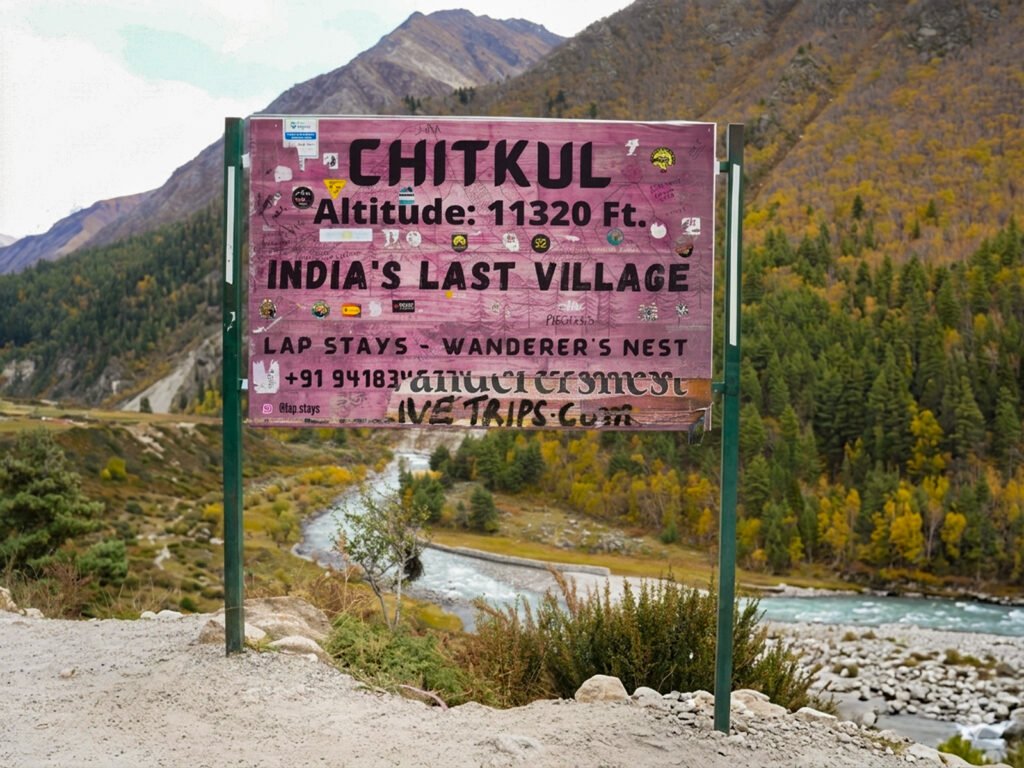
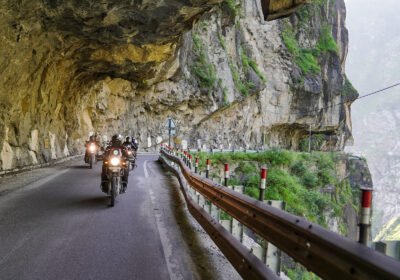
This was one of the most memorable riding days of the trip because it felt like traveling through multiple worlds in a single journey. The roads through Kinnaur Valley were dramatic, cut into mountainsides with deep valleys below and towering cliffs above. Every few kilometers the scenery changed, and with it, the mood of the ride.
We stopped at Kalpa, where the Kinnaur Kailash range stood in majestic silence. There are mountains that look beautiful, and then there are mountains that make you feel small in the most humbling way. This was the second kind.
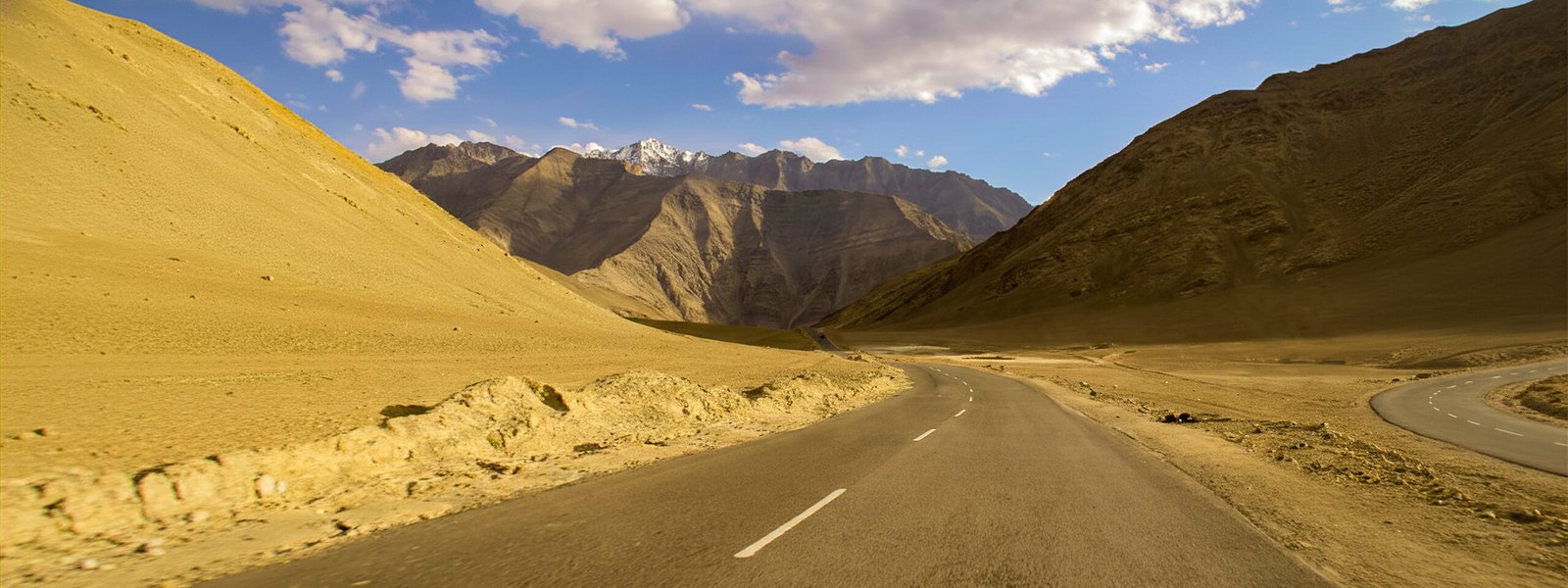
As we moved further ahead, the green landscape slowly disappeared. Trees became fewer, the terrain turned barren, the roads rougher, and the colors around us changed into shades of brown, grey, and gold. By the time we reached Kaza in the evening, I was dusty, tired, slightly sore, and deeply happy. Some forms of tiredness are incredibly satisfying because they come from having truly lived the day.
Day 6: Kaza Local Exploration
Freedom Without Hurry
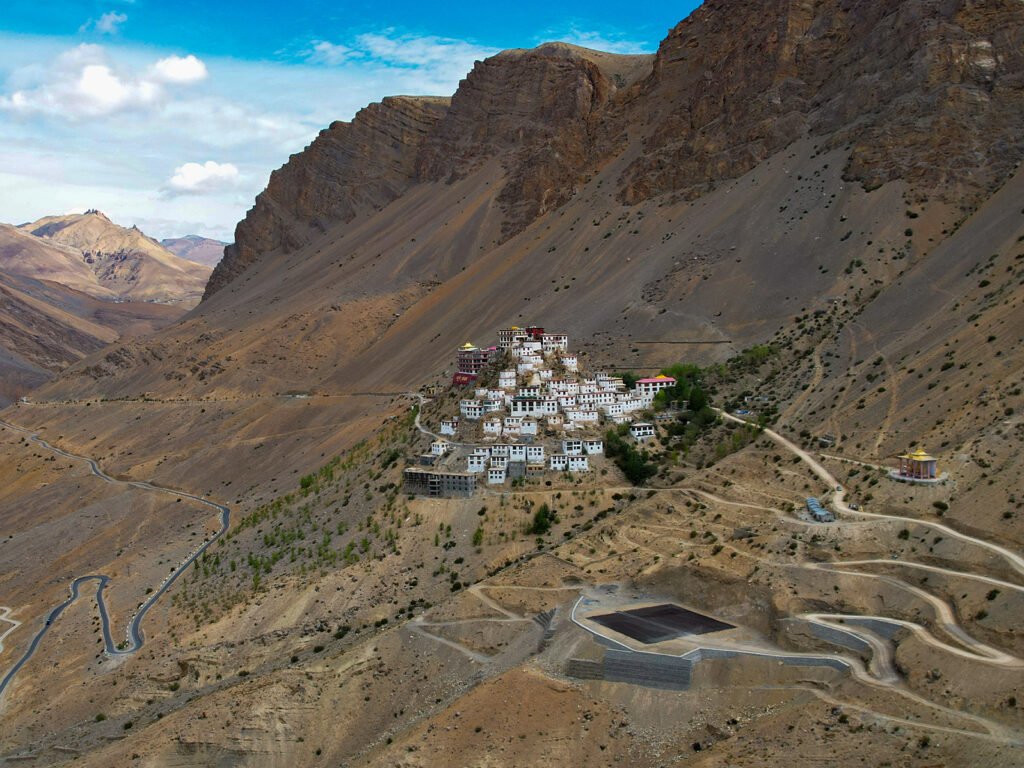
The local exploration day in Kaza felt different from the previous long rides. There was less pressure to cover distance and more time to absorb the place itself.
We visited Key Monastery, perched dramatically above the valley. The stillness there had a weight to it, as though centuries of prayer and patience still lived in the air. From there we rode to Kibber, where the openness of the landscape made everything feel vast and uncluttered.
At Hikkim Post Office, I sent a postcard home, partly as a souvenir and partly as proof to myself that I had really come this far. Later, at Langza, the giant Buddha statue overlooked the valley with a calm expression that somehow matched the mood of the entire region. By evening, I understood that Spiti’s beauty is not loud or dramatic all the time. Often, it works quietly on your mind.
Day 7: Kaza – Chicham Bridge – Chandrataal Lake
Reward After Effort
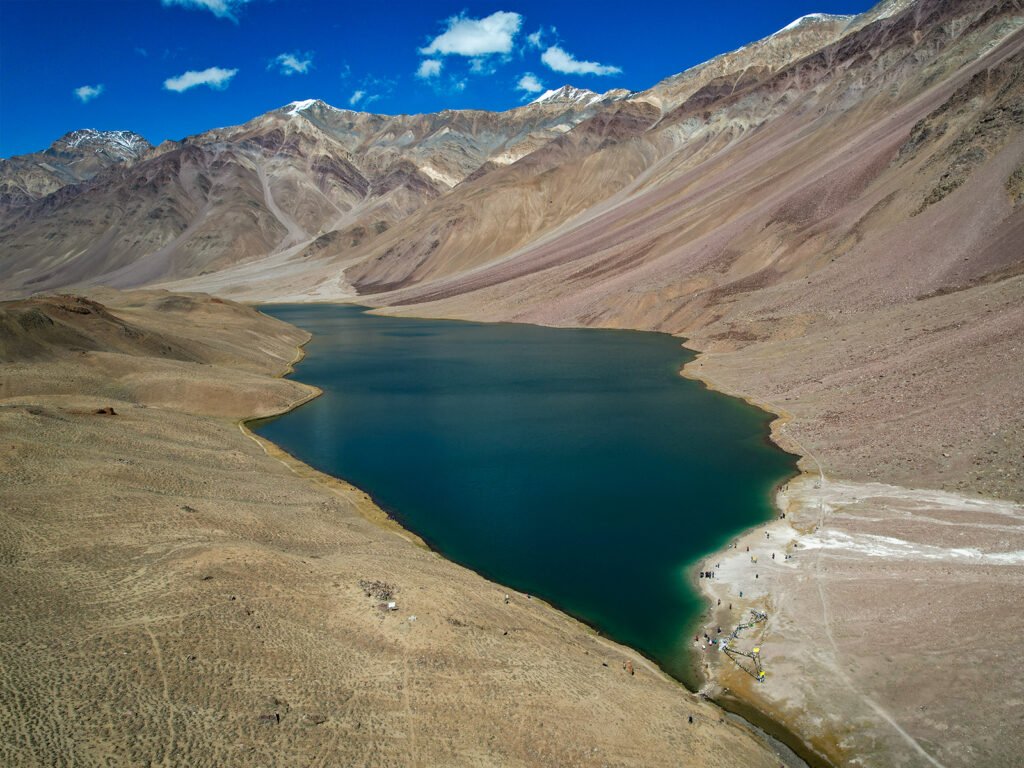
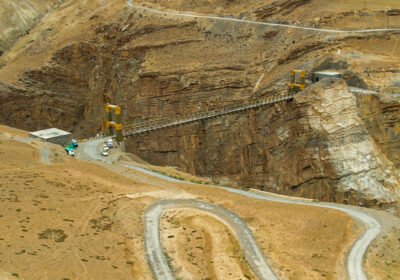
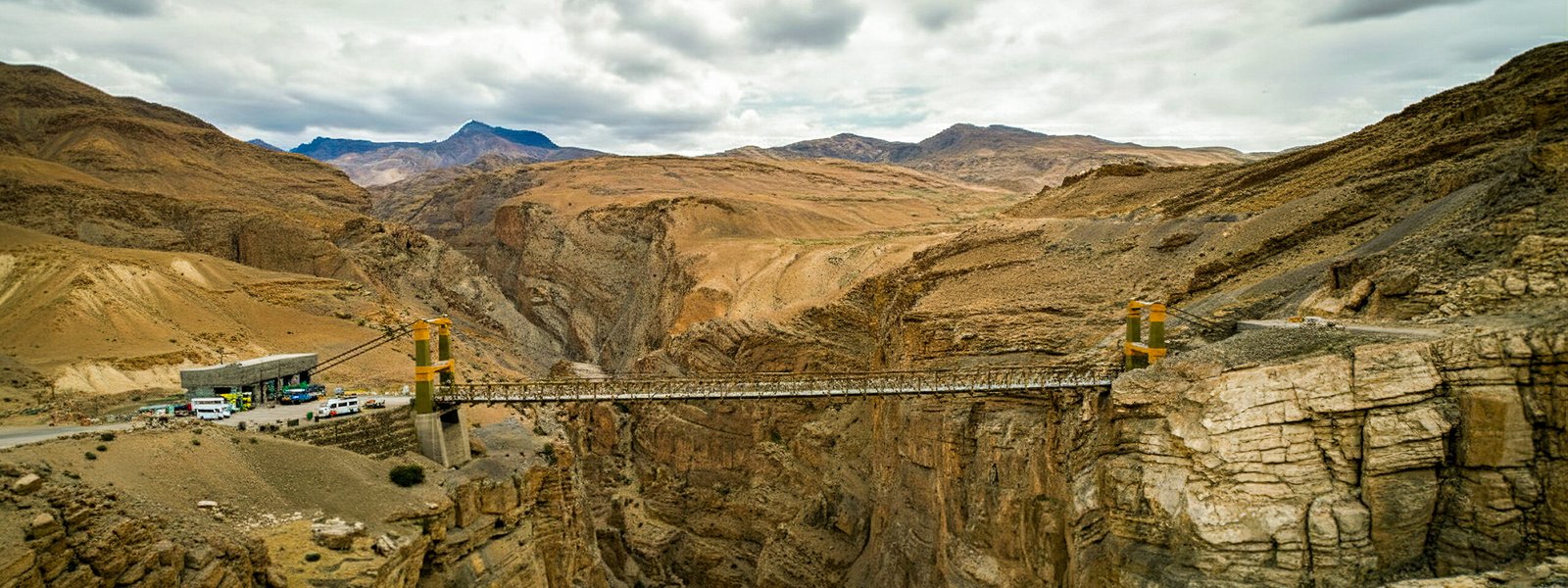
The route toward Chandrataal was exactly the kind of day riders remember for years. We crossed Chicham Bridge, suspended dramatically above a deep gorge, and then continued into rougher terrain. There were broken roads, loose gravel, water crossings, and stretches where every movement of the throttle and clutch mattered. It was physically demanding and mentally absorbing.
Then we climbed toward Kunzum Pass, where the air was colder and thinner, and the landscape felt vast beyond words.
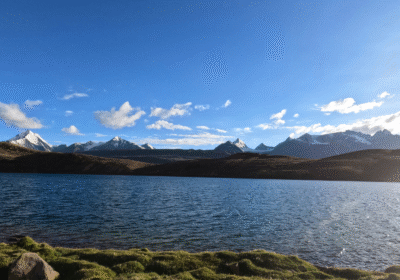
When we finally reached Chandrataal, the reward was immediate. The lake was a brilliant blue, completely still, surrounded by barren mountains and open sky. All the fatigue from the road disappeared the moment I saw it. That evening at the campsite, under a sky full of stars brighter than anything city life allows, I felt the rare peace that comes after earning something meaningful.
Day 8: Chandrataal Lake – Atal Tunnel – Manali
Bittersweet Roads Back
I woke up earlier than usual just to spend a few more minutes looking at the morning light over the mountains near Chandrataal. There is always a bittersweet feeling on the return leg of a great trip. You are grateful it happened, but reluctant for it to end.
The ride back carried that emotion. We crossed Kunzum Pass once more, retraced mountain roads, and slowly re-entered greener valleys. Passing through the Atal Tunnel felt symbolic, as if we were leaving one world and returning to another. By the time we reached Manali, comfort had returned—hot water, warm rooms, proper beds—but part of me already missed the rawness of the road.
Day 9: Manali to Delhi
Returning With More Than Memories
After breakfast, we checked out and had time to explore Manali once more. People bought souvenirs, exchanged photographs, and talked about favorite moments from the trip. By evening, we boarded the Volvo back to Delhi.
The overnight ride felt very different from the first one. When I had left Delhi, I was carrying mental exhaustion. Now I carried physical tiredness, but it was the satisfying kind that comes from effort, adventure, and shared experiences. I slept better on that bus than I had in weeks.
Day 10: Delhi
The Real Return
We reached Delhi in the morning, and outwardly nothing had changed. The traffic was the same, the rush was the same, the city was the same. But internally, something had shifted.
The trip had reminded me that life feels richer when there is challenge in it, movement in it, and moments that demand your full attention.
I returned with photos and stories, of course. But what stayed with me most was the feeling of being fully alive.
Why I’d Recommend India on Wheelz
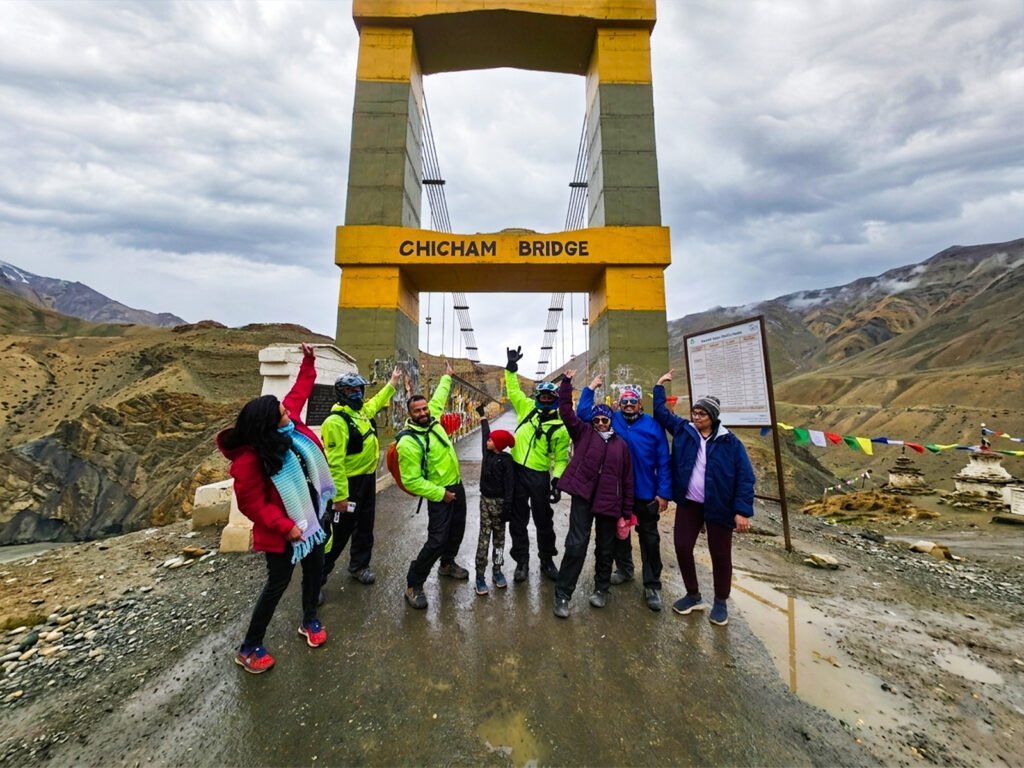
Trips like a Spiti Valley Tour are not only about destinations. They depend heavily on planning, route management, support, reliable bikes, and a team that understands both the terrain and the travelers. That reliability allowed me to focus entirely on the experience instead of worrying about logistics. With India on Wheelz handling the arrangements, every part of the journey felt smoother and more enjoyable. For a ride through remote Himalayan roads, that makes all the difference.
Conclusion
If you are a rider, choose the bike trip. Let the mountains be something you experience directly rather than something you simply observe. Let the cold wind, difficult roads, long distances, and incredible views become part of your memory through effort. Spiti is beautiful for everyone, but on two wheels, it becomes personal.