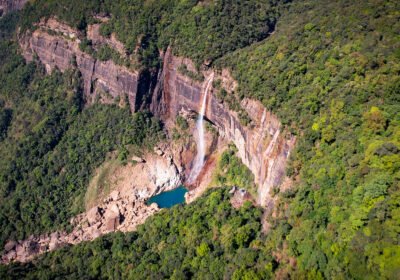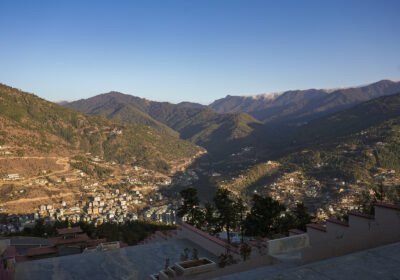
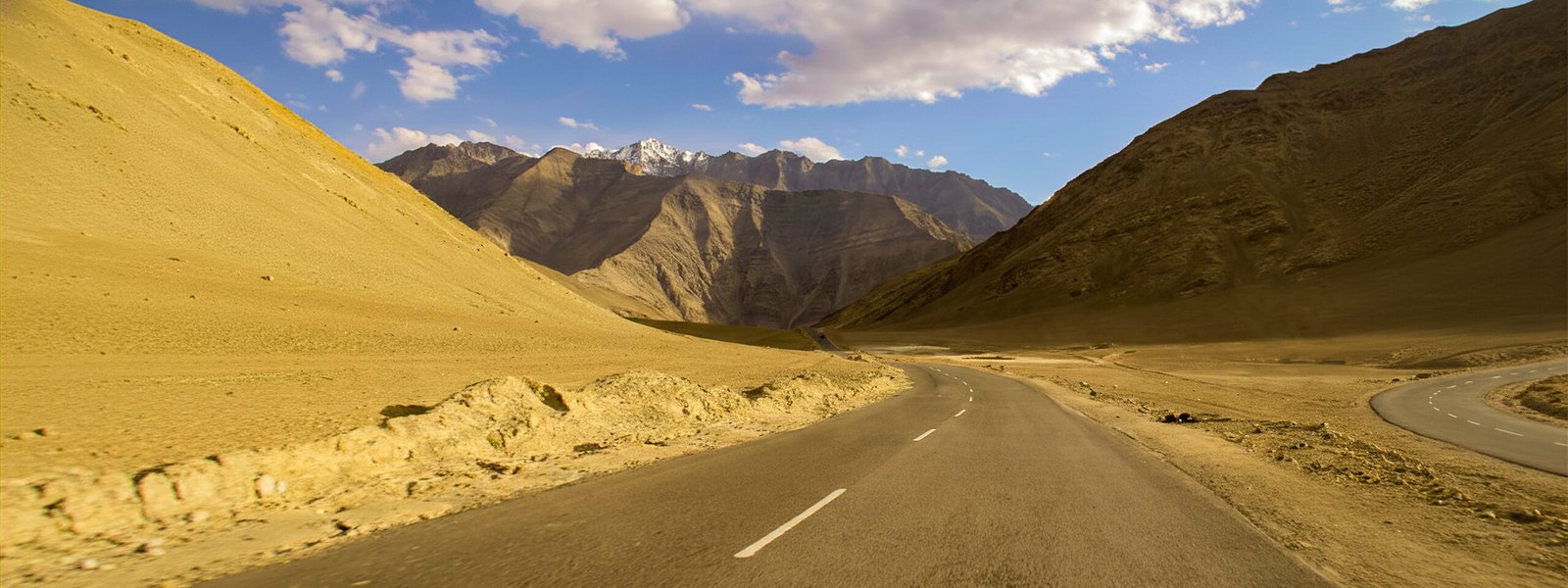
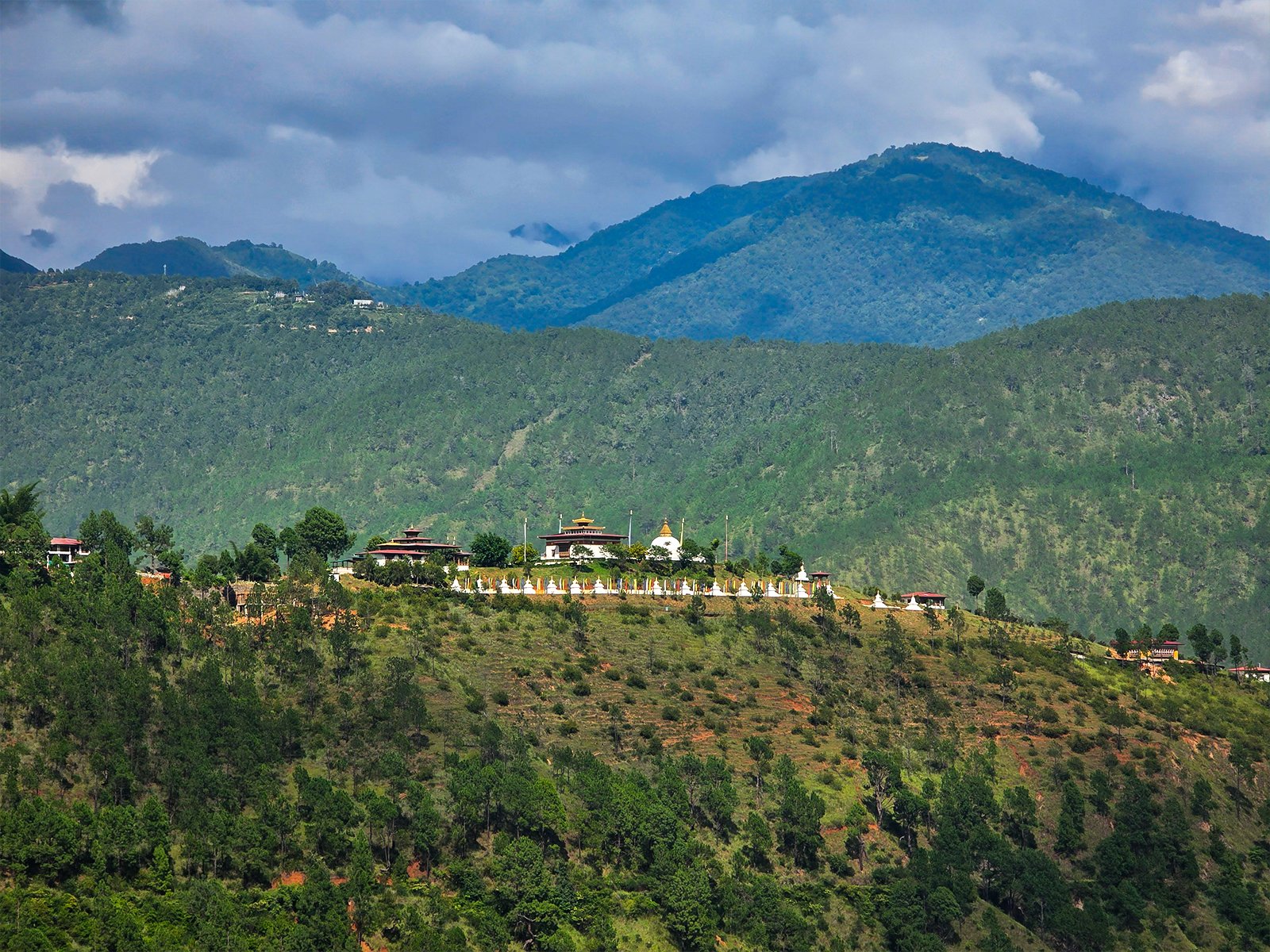
Bhutan, known locally as Druk Yul or “Land of the Thunder Dragon”, is a small landlocked country nestled in the eastern Himalayas between India and China. Renowned for its stunning landscapes, Bhutan features snow-capped mountains, lush valleys, and dense forests. The country is deeply rooted in Buddhist traditions, which influence its culture, architecture, and way of life. One of Bhutan’s most distinctive philosophies is Gross National Happiness (GNH), which prioritizes the well-being and happiness of its citizens over economic growth.
During a Bhutan trip, visitors can explore historic sites like Punakha and hike to the iconic Tiger’s Nest Monastery, perched high on a cliff. The journey also includes picturesque mountain passes, traditional festivals, and warm hospitality from locals. With its focus on sustainable tourism and cultural preservation, Bhutan provides an unforgettable travel experience that combines adventure, peace, and natural beauty.
Current Key Developments
Bhutan is currently experiencing steady economic growth driven by hydropower, tourism recovery, and infrastructure development. The country’s GDP is projected to grow by around 7% in 2026, supported by major hydroelectric projects and exports of clean energy to neighboring countries like India. At the same time, Bhutan is focusing on long-term transformation through initiatives like the Gelephu Mindfulness City project, which aims to create a sustainable and innovation-driven economic hub. Digital transformation is also gaining momentum, with the government promoting fintech, mobile payments, and digital banking to improve financial inclusion across the country.
Tourism and connectivity are also seeing major improvements. New developments include international hotel investments such as a luxury resort in Paro and improved flight connectivity with routes to Bangkok and Singapore restarting in 2026. Additionally, Bhutan continues to follow its “high value, low impact” tourism policy while gradually increasing accessibility for travelers. However, travelers should note that travel costs have slightly increased due to new taxes introduced in 2026. Alongside economic progress, Bhutan remains a global leader in sustainability, maintaining its carbon-negative status and prioritizing environmental conservation and Gross National Happiness as core development principles.
Essential Travel Information
- Entry Requirements: Indian travelers can enter Kingdom of Bhutan without a visa using a valid passport or voter ID. Entry is commonly via Phuentsholing or by flight to Paro.
- Sustainable Development Fee (SDF): A daily tourist fee (SDF) is applicable, which supports Bhutan’s sustainability and tourism policies, and is usually managed by India On Wheelz as part of your travel package.
- Best Time to Visit: Plan your Bhutan trip between September To June for the best weather and scenic views.
- Currency: The local currency is Ngultrum, but Indian Rupees are widely accepted across Bhutan.
- Clothing & Packing: Carry warm clothes due to changing weather conditions, along with comfortable shoes for sightseeing and hikes.
- Local Culture: Respect Bhutanese traditions—dress modestly, follow local customs, and maintain cleanliness. Bhutan’s official language is Dzongkha.
- Connectivity: Mobile networks and internet are available in major towns like Thimphu and Paro, but may be limited in remote areas.
- Sustainability: Bhutan is a carbon-negative country, so travelers are encouraged to follow eco-friendly practices during their trip.
Bhutan History
The history of the Kingdom of Bhutan dates back to ancient times when it was inhabited by small tribal communities. Buddhism was introduced in the 7th century by Tibetan king Songtsen Gampo, who built some of the earliest temples in the region. However, Bhutan’s spiritual identity was firmly established in the 8th century by Guru Padmasambhava (also known as Guru Rinpoche), who is believed to have brought Tantric Buddhism to Bhutan and subdued local spirits, making the land suitable for Buddhist teachings.
In the 17th century, Bhutan was unified by Zhabdrung Ngawang Namgyal, who established a dual system of governance combining both religious and political authority. He also built many iconic dzongs (fortresses) that still serve as administrative and religious centers today. After a period of internal conflict, the monarchy was established in 1907 with the coronation of Ugyen Wangchuck as the first king. Bhutan transitioned to a constitutional monarchy in 2008 under Jigme Khesar Namgyel Wangchuck, marking a significant step toward democracy while preserving its rich cultural heritage and traditions.
Discover the Beauty of Bhutan
Paro
Paro is home to Bhutan’s only international airport, making it the main entry point for travelers visiting the country. Surrounded by beautiful valleys, ancient monasteries, and traditional Bhutanese architecture, Paro offers a perfect introduction to the nation’s rich culture and natural beauty. Key attractions include the iconic Tiger’s Nest Monastery, the historic Rinpung Dzong, and the National Museum, all of which reflect Bhutan’s heritage. With its peaceful atmosphere and scenic landscapes, Paro is ideal for cultural exploration as well as short and rewarding hikes.
Thimphu
Thimphu, the capital of the Kingdom of Bhutan, is known for its unique charm where tradition meets modernity. Interestingly, it is one of the few capitals in the world without traffic lights, yet it remains well-organized and peaceful. Visitors can explore iconic attractions like Buddha Dordenma, Tashichho Dzong, and vibrant local markets. Thimphu is also the best place to shop for authentic handicrafts and immerse yourself in Bhutanese culture.
Phuentsholing
Phuentsholing is a bustling border town that connects India and Kingdom of Bhutan, making it a key entry point for travelers arriving by road. Compared to other Bhutanese towns, it has a more commercial and lively atmosphere. From here, visitors begin their scenic journey through winding mountain roads towardThimphu, enjoying beautiful landscapes along the way.
Punakha
Punakha is known as one of Bhutan’s most beautiful valleys, offering a pleasant climate and breathtaking scenery. It is famous for the majestic Punakha Dzong, situated at the confluence of two rivers, creating a stunning visual setting. The region is rich in scenic landscapes, suspension bridges, and peaceful surroundings, making it ideal for relaxation and exploration. A visit to Punakha is often combined with a drive across Dochula Pass, where travelers can enjoy spectacular panoramic views of the Himalayas.
Tiger’s Nest Monastery
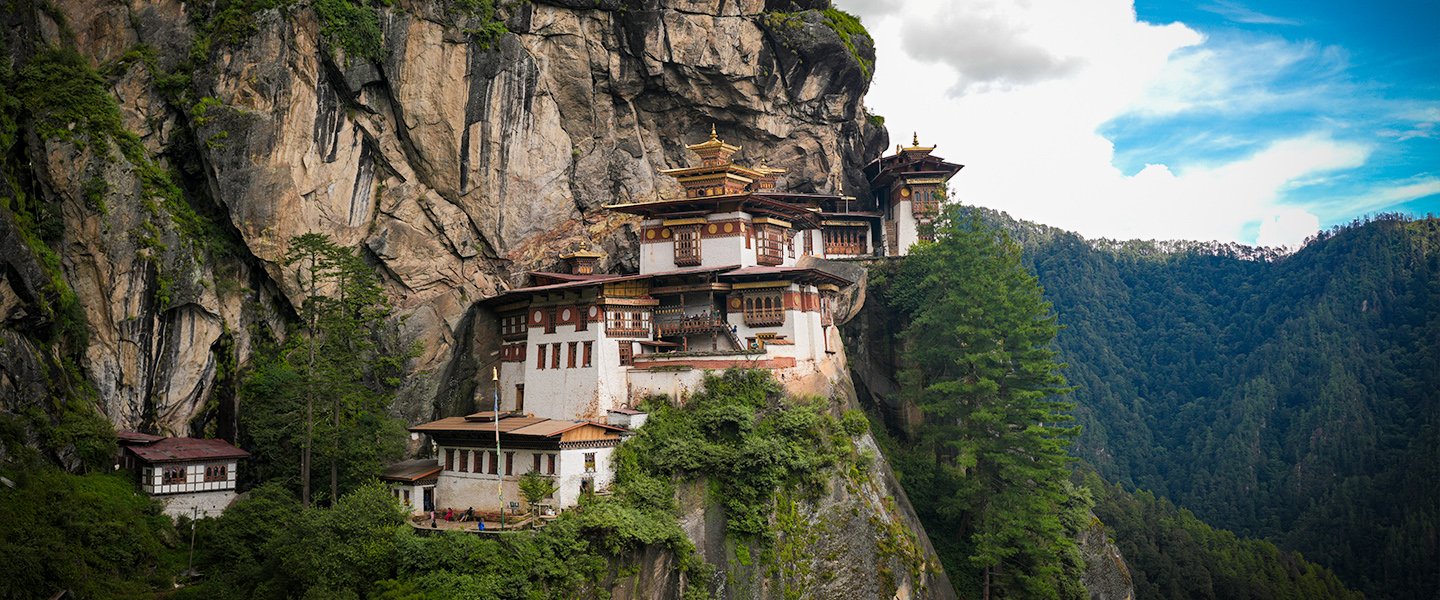
Tiger’s Nest Monastery is Bhutan’s most iconic and sacred site, dramatically perched on a cliff about 900 meters above the Paro Valley. This breathtaking monastery is a symbol of Bhutan’s spiritual heritage and attracts visitors from around the world. Reaching the monastery requires a moderate hike of around 4–6 hours round trip, but the journey is as rewarding as the destination. Along the way, travelers are treated to stunning views, and upon arrival, the peaceful and spiritual atmosphere creates an unforgettable experience.
Chele La Pass
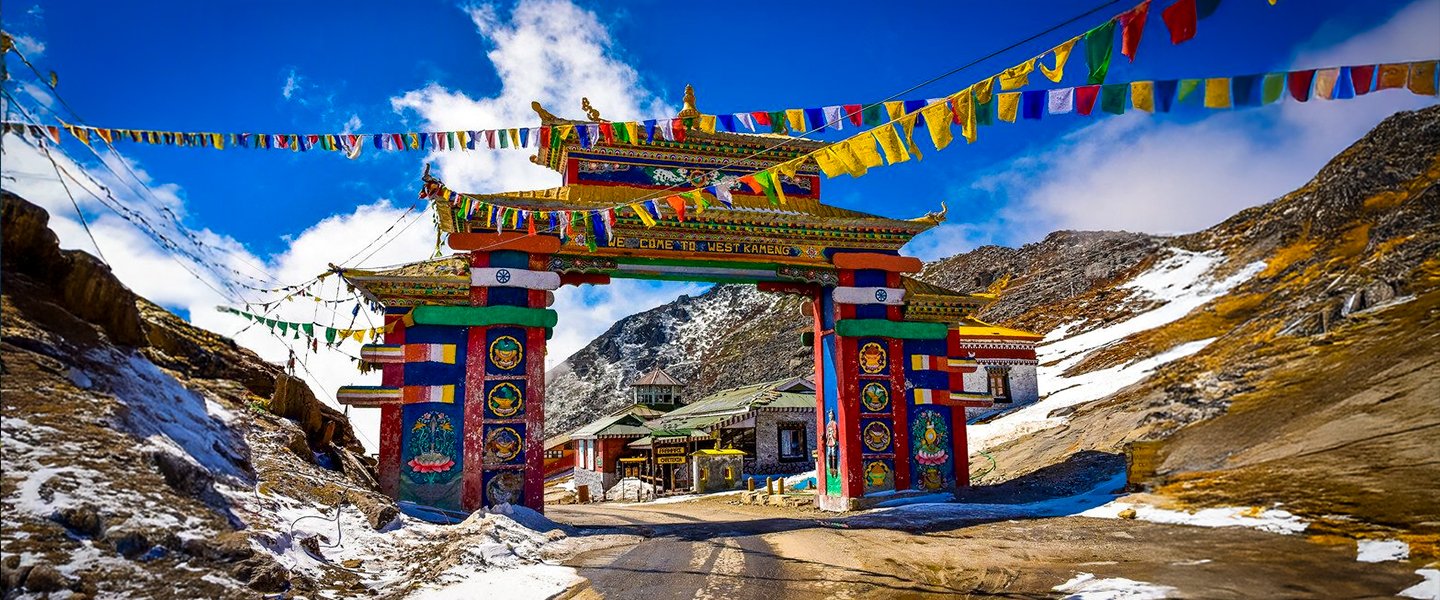
Chele La Pass is one of the highest motorable passes in Bhutan, offering breathtaking panoramic views of the Himalayas on clear days. Located between Paro and Haa Valley, it is a must-visit destination for nature lovers. The pass is especially popular for photography, snow views during winter, and its peaceful surroundings adorned with colorful prayer flags, making it a serene and scenic stop on a Bhutan trip.
Bhutan Food and Religion
Food in Bhutan
Bhutanese cuisine is simple, spicy, and deeply rooted in local traditions. The most popular dish is Ema Datshi, made with chilies and cheese, and considered the national dish of the Kingdom of Bhutan. Rice, especially red rice, is a staple food and is usually served with vegetables, meat (pork, chicken, or beef), and cheese-based curries. Other common dishes include Phaksha Paa (pork with radish and chilies) and Jasha Maru (spicy chicken stew). Bhutanese food is known for its bold flavors, with chilies used more as a main ingredient than just a spice.
Religion in Bhutan
Religion plays a central role in Bhutanese life, with Buddhism being the dominant faith. The country follows Vajrayana Buddhism, which influences its culture, festivals, architecture, and daily practices. Monasteries, prayer flags, and stupas are seen throughout the country, reflecting strong spiritual beliefs. Important sites like Tiger’s Nest Monastery hold deep religious significance. Alongside Buddhism, small communities also practice Hinduism, especially in southern Bhutan, promoting a culture of harmony and coexistence.
Why Choose India On Wheelz for Your Bhutan Trip?
- Expertly Curated Itineraries: India On Wheelz designs well-planned Bhutan trip covering top destinations like Paro, Thimphu, and Punakha for a seamless experience.
- Hassle-Free Travel Planning: From permits to accommodation and transport, everything is managed efficiently so you can enjoy a stress-free journey.
- Affordable & Transparent Pricing: Get the best value for your Bhutan trip with no hidden costs and customizable packages to suit your budget.
- Experienced Local Support: Benefit from knowledgeable guides and local insights that enhance your overall travel experience.
- Personalized Experiences: Whether you want adventure, culture, or relaxation, itineraries are tailored to match your travel preferences.
- Trusted Travel Partner: With a focus on customer satisfaction, India On Wheelz ensures reliable service and memorable travel experiences.
Conclusion
A Bhutan trip is truly a once-in-a-lifetime experience, offering a perfect blend of natural beauty, spirituality, and cultural richness. From the peaceful valleys of Paro and the vibrant charm of Thimphu to the scenic landscapes of Punakha , every destination leaves a lasting impression. The unforgettable hike to Tiger’s Nest Monasteryand the breathtaking views from Chele La make the journey even more special.
With its focus on happiness, sustainability, and tradition, the Kingdom of Bhutan offers more than just a vacation—it provides a soulful escape. Plan your journey with India On Wheelz to enjoy a smooth, well-organized, and memorable Bhutan travel experience.