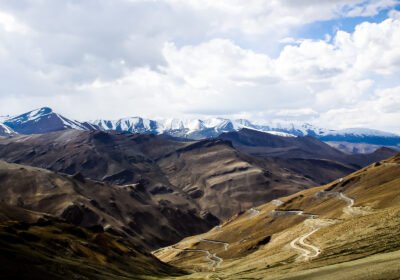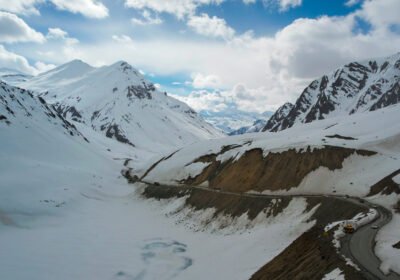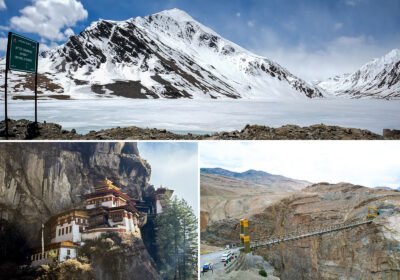
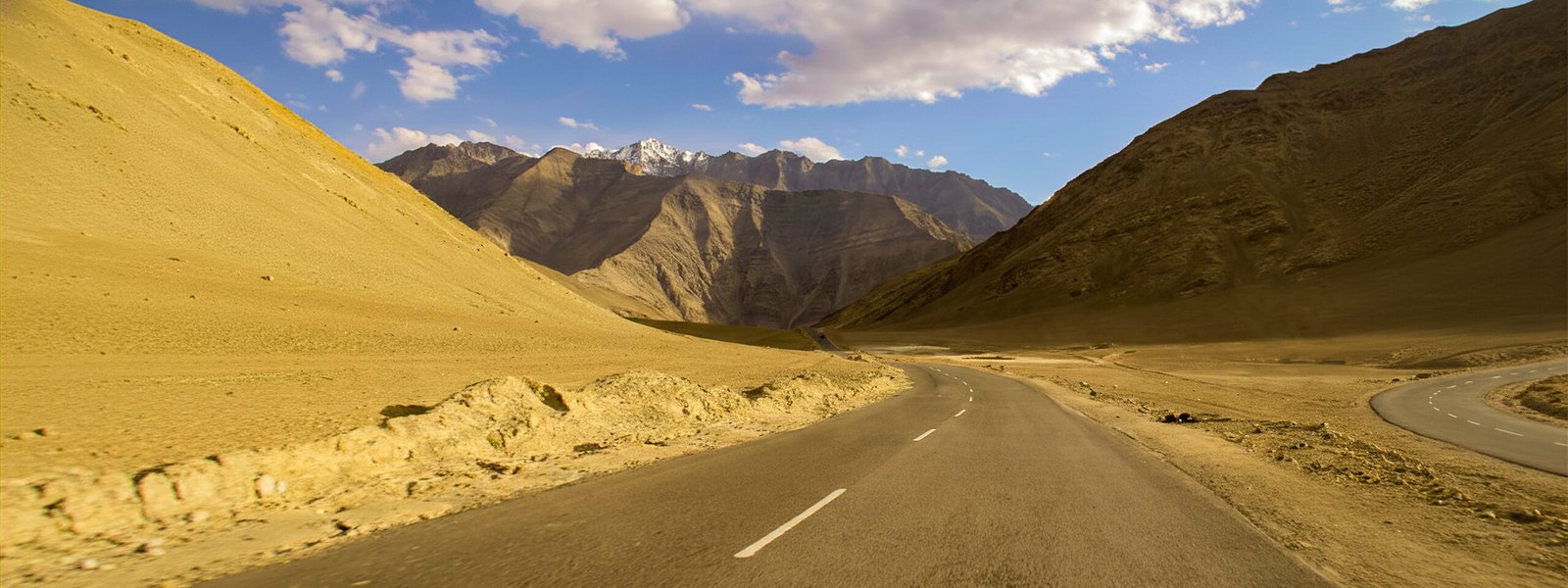
Ladakh is northern India’s most beautiful region bordered by nature and rich in history and spirituality. It is known as the ”Land of High Passes.” It is famous for its high mountains, high-altitude lakes, and ancient Buddhist monastery gompas that exemplify the spiritual culture of the Himalayas.
The monasteries of Ladakh, perched on rugged hills and steep mountains, are not mere houses and shelters for the laity and the clergy. They are also schools, meditation rooms, and art galleries. These sacred monasteries offer a rich cultural experience for travelers. As a result, many travelers carefully choose the Ladakh Tour Plan, where the most famous cultural and natural attractions are located.
The Monasteries of Ladakh: A Reflection of the Region’s Spirituality
For many centuries Tibetan Buddhism has greatly influenced Ladakh’s culture and spirituality. Monasteries of immense cultural and spiritual significance were built between the 10th and 17th centuries. Monks who live in these monasteries are committed to their spiritual learning and most of their time is consumed by meditation and prayer.
Visitors to the monasteries are greeted by the sacred texts, prayer wheels, Buddha statues, and murals that illustrate the Buddhist teachings. The tranquil ambiance and the calm, synchronized chanting of the monks leave most people with an unforgettable experience.
Travelers on a cultural tour of Ladakh will benefit a great deal from the exploration of these holy sites, as they will come to understand Ladakh’s legacy more profoundly. The inclusion of monastery visits in a Ladakh tour plan will ensure that visitors enjoy the spiritual as well as the cultural aspects of the region.
Monasteries in Ladakh
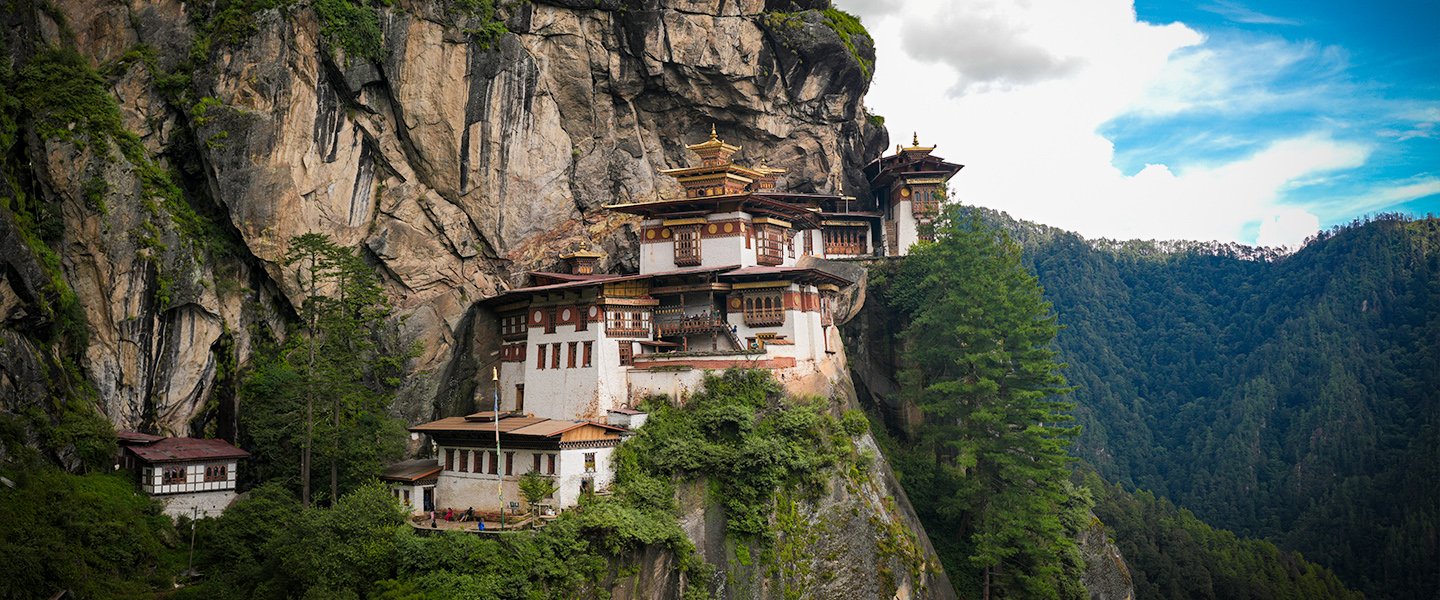
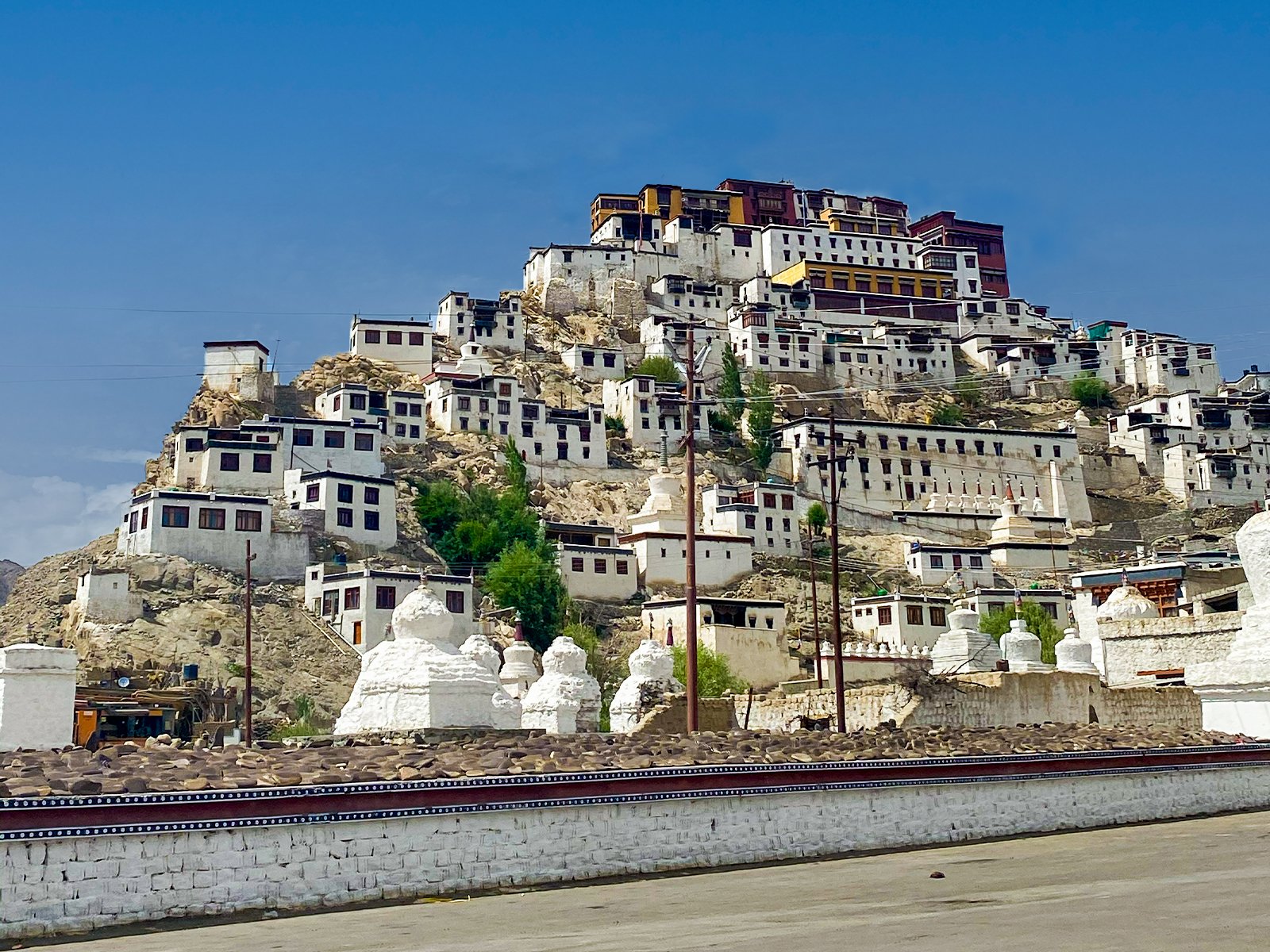
There is something special and interesting about the way Ladakh’s monasteries are constructed. Most monasteries are built on the top of rocks and steep mountain sides, which shows the way to the path of enlightenment.
The white walls, red roofs, gold statues and prayer flags combine to form a stunning visual feature of the harsh Himalayan terrain. Rich in ancient religious paintings, thangkas and artefacts, the monasteries also have beautiful prayer halls.
For travelers making a Ladakh tour plan, the monasteries offer a unique experience of the region’s art and spirituality.
Noteworthy Monasteries in Ladakh
Hemis Monastery
Hemis Monastery is Ladakh’s largest and one of the most famous monasteries. It is located about 45 kilometers from Leh and is a part of the Drukpa lineage of Tibetan Buddhism.
The monastery is also famous for the bright and spectacular Hemis Festival where monks perform traditional cham dances (mask dances). The vibrant celebration attracts many people from different parts of the world and is one of the major attractions in a lot of Ladakh tour itineraries.
Thiksey Monastery
Thiksey Monastery is one of the most beautiful Ladakh Monasteries. It is located on a hill and overlooks the Indus Valley. It is built in a way that resembles the famous Potala Palace of Tibet.
Travelers often include this monastery in their Ladakh tour itineraries due to its stunning views of the mountains. The monastery also features a large 15-meter statue of Maitreya Buddha housed inside.
Diskit Monastery
Diskit Monastery, which is situated in the Nubra Valley, is the biggest and the oldest monastery in the entire region. It is well known for the gigantic statue of Maitreya Buddha, which towers 32 meters and overlooks the entire valley.
During a tour of Ladakh, it is a memorable location due to the panoramic vistas of the sandy dunes and desert landscape.
Alchi Monastery
Alchi Monastery is one of the oldest monastery complexes in Ladakh and is recognized for its extensive and rich artistic legacy and its old paintings. It is one of the very few monasteries in the region with a unique location, as it is positioned on flat ground near the banks of the Indus River.
The temple’s elaborate carvings and murals are nearly 1000 years old, making this place an important visit point when experiencing Ladakh culture, as Alchi has so much history to offer.
Another older monastery in the region is Lamyuru Monastery which is also referred to as the Moonland Monastery because of the unusual landscape surrounding it.
The monastery is home to an annual ritual and dance festival known as the Lamayuru Festival, celebrating the triumph of good over evil. This annual ritual event is mostly found on all major Ladakhi travel itineraries.
Travellers can visit the monasteries according to their convenience.
Ladakh Monasteries Celebrations
Ladakh is home to many lively and colorful Buddhist festivals that are of great value to the Buddhist community of the region and also draw many tourists. Each of the Buddhist festivals is unique and offers tourists and locals the opportunity to experience the diverse traditions of the region.
Multiple festivals take place at the region’s monasteries, including:
- Hemis Festival
- Lamayuru Festival
- Dosmoche Festival from Leh
- Phyang Tsedup Festival
During the festivals, the monks perform ritual dances and wear colorful masks and costumes. These festivals end up being the highlight of many travelers’ Cultural Ladakh Tours.
Best Time to visit Ladakh
The best time to visit Ladakh is between May and September, when the weather is pleasant and most roads to the region are open for travel. During these months, visitors can comfortably explore the stunning landscapes, high mountain passes, and famous Ladakh monasteries without facing extreme weather conditions.
If you are preparing a detailed Ladakh tour plan, May to September is the perfect window to experience the region’s spiritual heritage, scenic beauty, and unique Himalayan culture. Visitors can also attend colorful monastery festivals such as the Hemis Festival, making the journey even more memorable.
Tips for Visiting the Monasteries In Ladakh
When visiting any of the Ladakh Monasteries, it is important for you to respect the beliefs and customs of the people.
Important tips to remember when visiting the monasteries:
- Dress Modestly In All Monasteries
- Remove Your Shoes Before Entering The Prayer Hall
- Maintain Silence While In The Prayer Hall
- Always ask permission before taking pictures of anything.
- Do Not Touch Anything Sacred Without Permission.
If you respect these suggestions when visiting the monasteries in Ladakh, you would have a meaningful experience while visiting the monasteries in Ladakh.
Participation in Ladakh’s Spiritual Culture
A visit to any of the Ladakh monasteries allows visitors to discover the spirituality that is prevalent, along with discovering what it is like to live in a peaceful environment. With the combination of a long archaeological past, some of Nature’s most stunning scenery and vibrant festivals, Ladakh is one of the most unique areas of the Himalayas to visit.
Those interested in visiting these holy locations with lakes, valleys, or mountain passes often make a choice to use an organized tour. Traveling through the Ladakh Tour is easy and enjoyable when on a well-planned tour.
Conclusion
Ladakh monasteries have been an important part of the Himalayan landscape because of their beauty and spiritual connection to the culture of Buddhism. Each monastery has its unique characteristics exemplifying the rich tradition of Buddhism through its architecture. The Hemis Monastery is the largest, and the Alchi and Lamayuru Monasteries are the oldest.
Whether you are looking for spiritual connections, cultural sites, or magnificent mountain scenery, including the monasteries will provide you with a life-changing trip.