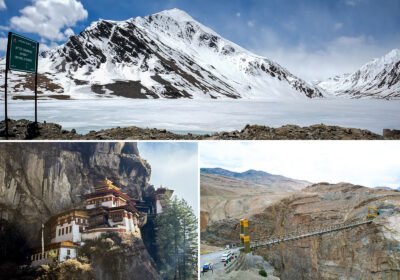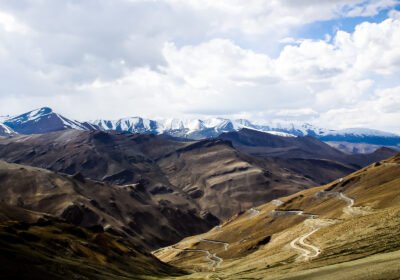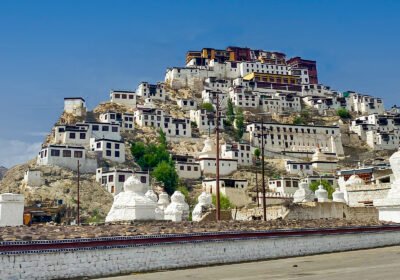
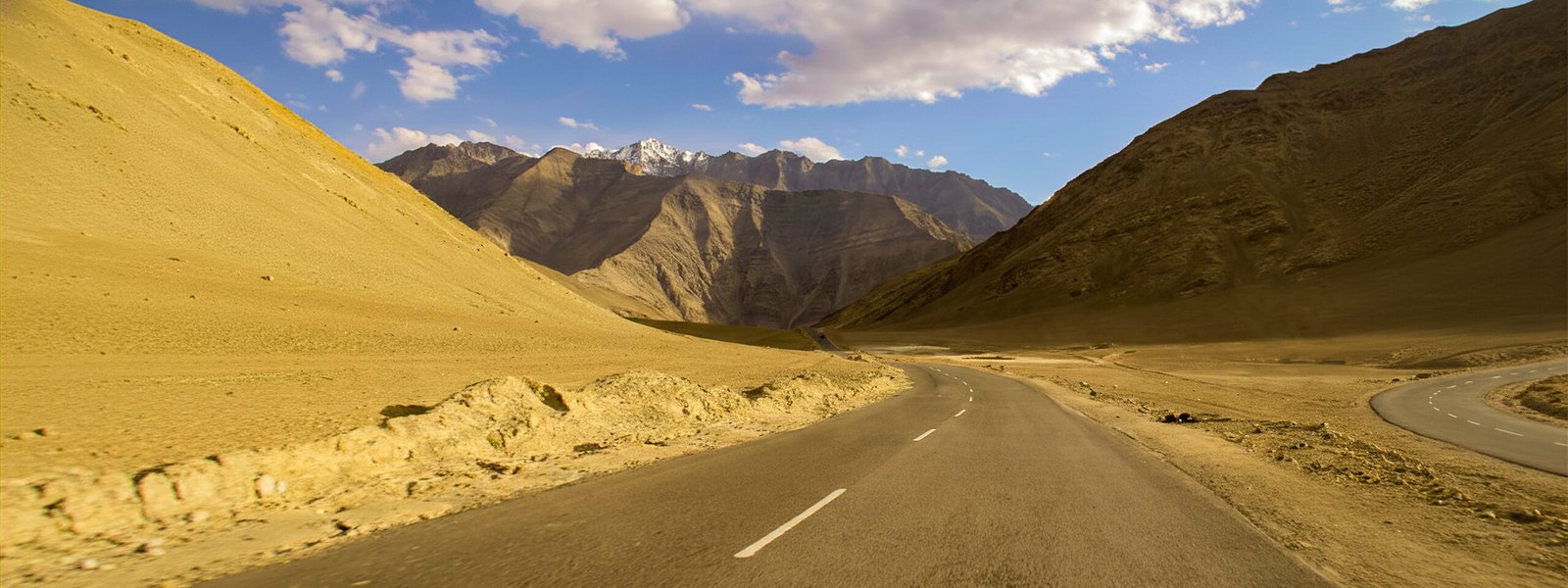
High in the rugged mountains of Ladakh, far from bustling cities and modern comforts, lies a silent pass that witnessed one of the bravest battles in Indian military history — Rezang La.
For travelers who want to explore Ladakh, Rezang La may appear as just another high-altitude mountain pass. But beneath the stark landscape and freezing winds lies a story of extraordinary bravery, sacrifice, and patriotism that every Indian should know. Today, the site has also become one of the most meaningful patriotic travel destinations in India.
If anyone truly wants to understand the legacy of the Rezang La Battle and the courage of the Indian Army, this is a story worth remembering — not just as history, but as a reminder of the sacrifices that protect our nation.
The Background: Rising Tensions in the Himalayas
In 1962, tensions between India and China escalated along the Himalayan border due to the growing India-China border dispute, eventually leading to the 1962 Sino-Indian War.
The high-altitude regions of Ladakh became one of the key battlegrounds. Among them was Rezang La — a strategic mountain pass overlooking the Chushul Valley. Holding this pass was critical because it protected access to the vital Chushul airstrip.
To defend this remote post, the Indian Army deployed a company of the 13 Kumaon Regiment, consisting largely of Ahir soldiers from the villages of Haryana.
The Battle of Rezang La
The historic Battle of Rezang La took place on 18 November during the 1962 Sino-Indian War.
At Rezang La, 120 soldiers of Charlie Company from the 13 Kumaon Regiment were tasked with defending the pass. They were led by the fearless Major Shaitan Singh.
Before dawn, thousands of Chinese troops launched a massive attack on the Indian position.
Despite being heavily outnumbered and facing relentless waves of enemy soldiers, the Indian troops refused to retreat.
With no artillery support and limited ammunition, they fought hand-to-hand, bunker to bunker, defending every inch of the post. Major Shaitan Singh moved from one position to another under heavy fire, motivating his men and coordinating the defense.
Even after being seriously wounded, he continued leading the battle until his last breath.
When the battle ended, 114 of the 120 Indian soldiers had been martyred.
But their sacrifice came at a huge cost to the enemy. The Indian soldiers had inflicted massive casualties and successfully delayed the Chinese advance toward Chushul.
For his exceptional leadership and bravery, Major Shaitan Singh was posthumously awarded the Param Vir Chakra.
Today, the Battle of Rezang La is remembered as one of the greatest examples of a Last stand at Rezang La, and one of the most heroic last stands in modern military history.
Charlie Company: The Haryana Ahirs
The men of C Company were mostly Ahirs from Haryana – hardy cattle-farmers unused to snow.
Imagine soldiers who grew up in farmlands suddenly being posted to a frozen battlefield at over 16,000 feet, where temperatures dropped far below freezing and oxygen levels were dangerously low.
There was no special cold-weather training or gear for them, their uniforms and boots were ordinary woolens, and their rifles were old World War II–era. For many of them, this was their first high-altitude battle.
Yet when the call of duty came, they did not hesitate.
Major Shaitan Singh’s orders were clear: open fire only when the enemy was in range. The Ahirs waited calmly and then poured interlocking machine-gun and mortar fire into the gullies. In the early rush, the gullies were soon full of dead and wounded Chinese.
When he realized the position was hopeless, Major Shaitan Singh ordered his remaining men to retreat – but they refused, choosing death over abandoning their post.
Even after being gravely wounded, Shaitan Singh refused aid and told his men,
“Go back, I am done”
His last words were essentially a soldier’s farewell – asking them to carry forward the story of Rezang La.
The Rezang La Memorial (Ahir Dham) Today
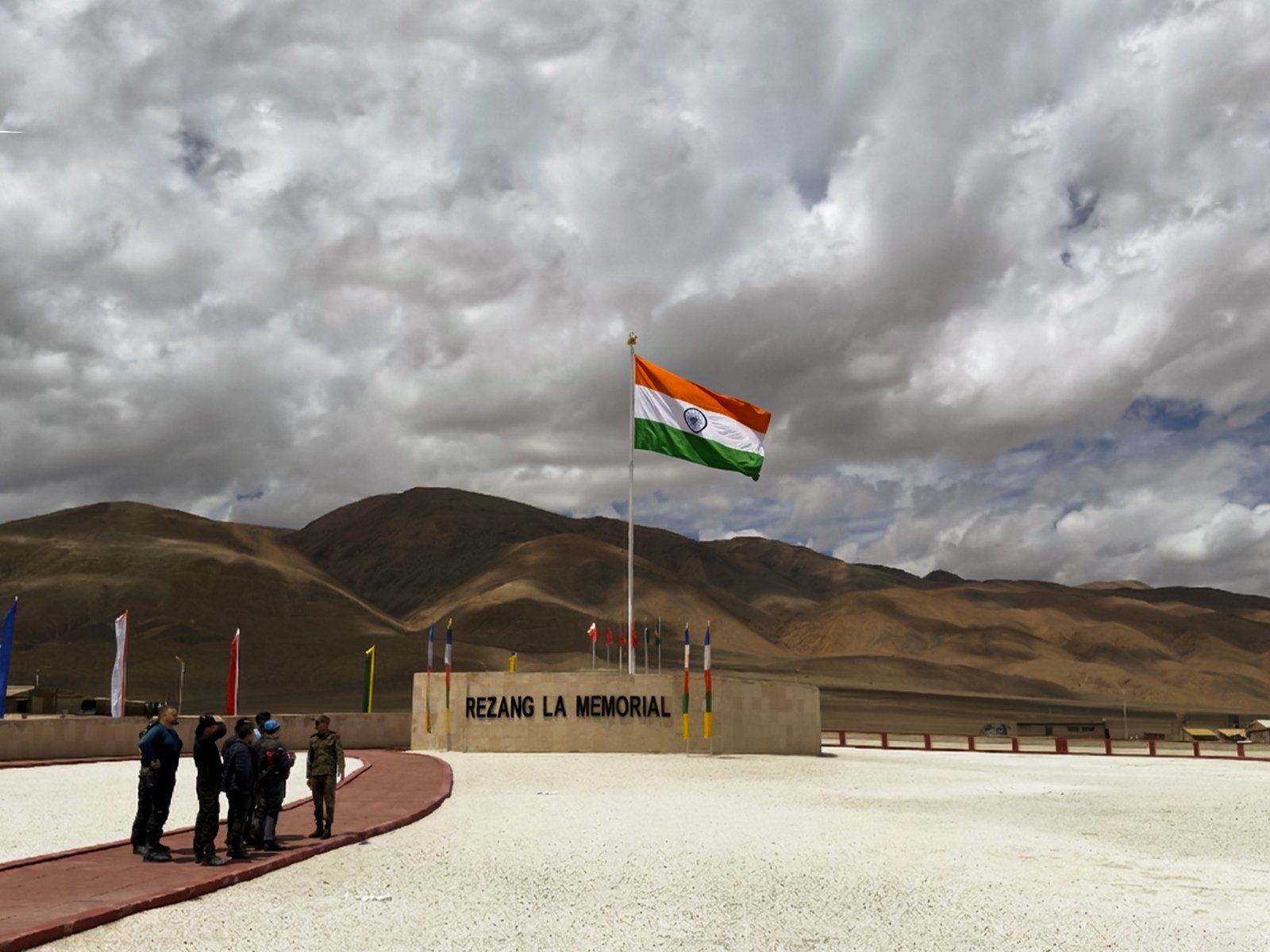
Today, standing proudly near the battlefield is the solemn Rezang La War Memorial.
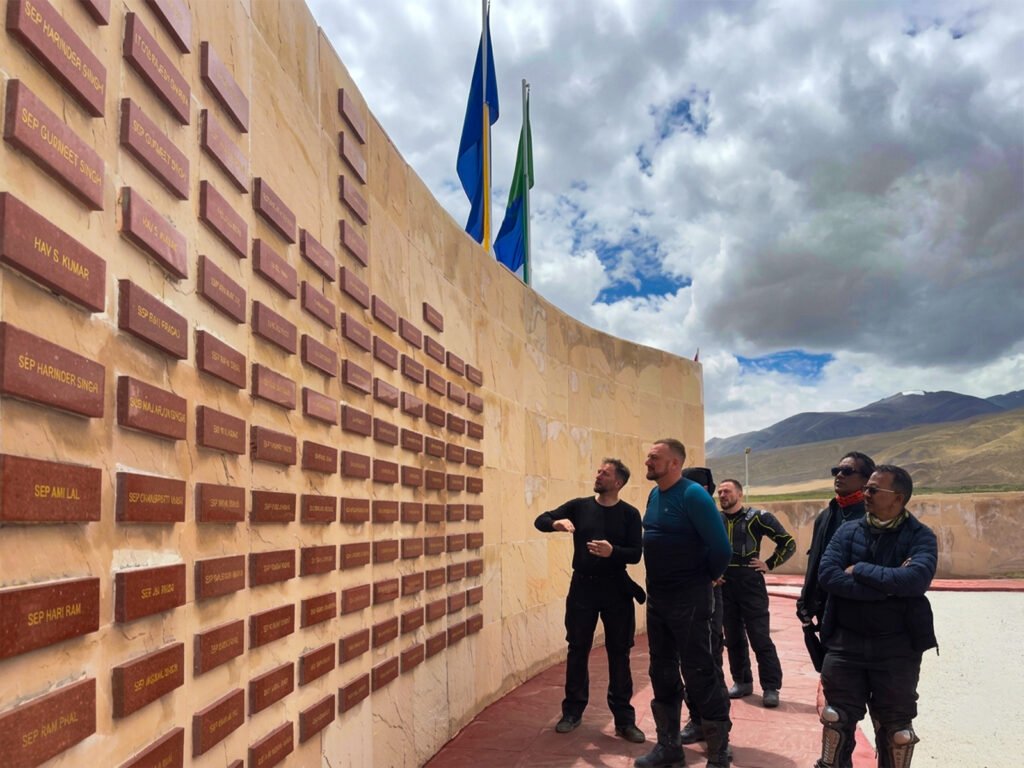
Since 1963 a simple shrine called Ahir Dham has stood at Rezang La’s foothills near Chushul. Here the ashes of the 114 soldiers were interred with full military honors.
The Rezang La War Memorial walls bear their names along with the famous epitaph from Thomas Babington Macaulay’s “Horatius”:
“How can a man die better, than facing fearful odds,
For the ashes of his fathers, and the temples of his gods.”
In November 2021 the memorial was completely renovated by the Indian Army and made into a modern complex. On 18 Nov 2021 Defence Minister Rajnath Singh dedicated the new Rezang La War Memorial to the nation.
He called it “a symbol of India’s preparedness to protect its sovereignty” and an embodiment of the soldier’s determination and fearless spirit.
The revitalized site now includes:
- A two-story museum
- An interactive gallery
- A mini-theatre
- A helipad
- Exhibits display weapons, maps and photos.
Visitors during a Rezang La War Memorial visit can also watch a specially produced documentary narrated by Amitabh Bachchan that tells the heroic story of Charlie Company.
A large 3D terrain model in the museum shows the Chushul valley and Rezang La ridges. Indian Army guides often walk visitors through the battle’s story, bridging past and present.
The Ahir Dham (“Ahir Shrine”) memorial, marked by a “0 km” stone sign, stands at the site where the martyrs’ ashes were laid to rest. The original 1963 structure has been preserved alongside the new museum. Every year (and especially on Independence and Vijay Diwas) troops and civilians gather here to salute the flag and the heroes of 1962.
When travelers visit this place, the silence of the mountains feels heavy with emotion. It is not just a memorial — it is a reminder of the price paid for the freedom we enjoy.
Visiting Rezang La
For travelers planning to explore Ladakh, visiting Rezang La is a deeply emotional experience. Unlike many tourist attractions, this is a place where history and patriotism meet the raw beauty of the Himalayas.
Standing here, surrounded by vast barren mountains and icy winds, one can only imagine what those soldiers endured during that freezing November battle in 1962.
Many travelers plan a Rezang La road trip while exploring the Chushul sector or Pangong region.
For many travelers, a Rezang La War Memorial visit becomes one of the most humbling experiences of their Ladakh journey.
Things to Keep in Mind When Visiting Rezang La
Since Rezang La is located in a remote and high-altitude region, travelers should plan carefully.
1. Proper Acclimatization
Rezang La lies above 16,000 feet. Spend at least a couple of days acclimatizing in Leh before heading here.
2. Carry Essentials
There are no shops or facilities nearby, so carry water, snacks, warm clothing, and basic medicines.
3. Respect the Memorial
Remember that this is a war memorial. Maintain silence, avoid littering, and treat the site with respect.
4. Travel with Proper Permits
Some regions around Chushul require special permits, so make sure your travel documents are in order.
5. Check Weather and Road Conditions
The terrain can be challenging, and weather conditions change quickly in Ladakh.
Conclusion
Rezang La is not just a travel destination — it is a symbol of unbreakable courage and sacrifice.
Today it stands among the most meaningful patriotic travel destinations in India, reminding us of the bravery of the soldiers who defended the nation during the 1962 Sino-Indian War.
Every Indian who travels to Ladakh should make an effort to visit this historic battlefield and pay tribute to the heroes of the Battle of Rezang La.
Because when you stand at Rezang La, looking across the cold barren mountains, you realize something powerful:
Freedom is not free.
It was earned by the bravery of soldiers who stood their ground during the Last stand at Rezang La, even when the odds were impossible.
And that is why the story of Rezang La must always be remembered.